







Hays County Approves Emergency Water Protection Review Period for High Water-Use Projects Amid Ongoing Drought Concerns
As Central Texas continues to grapple with prolonged drought and growing concerns over long-term water availability, Hays County has taken another step aimed at protecting one of the region's most valuable resources.
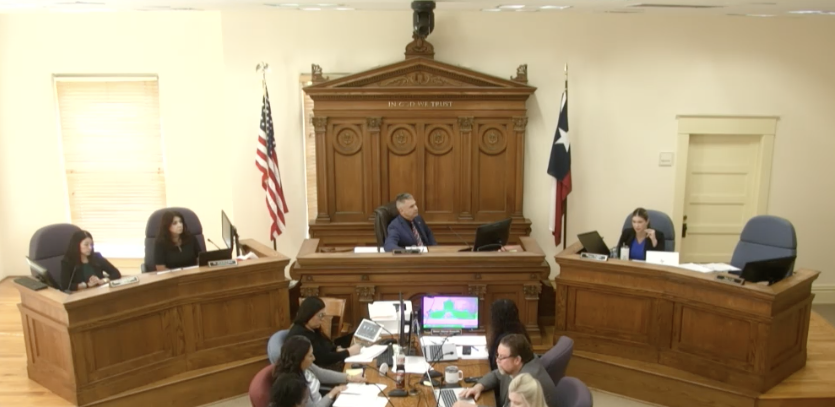
On June 23, 2026, the Hays County Commissioners Court unanimously approved a resolution establishing a temporary Emergency Water Protection Review Period for proposed industrial developments with significant water demands, including large-scale data centers and similar facilities. The action also creates the Hays County Significant Water Demand Development Review Board, an advisory body that will evaluate the potential impacts of qualifying projects on local water supplies, public infrastructure and emergency services.
County leaders say the measure is designed to provide additional scrutiny of projects with unusually high water demands while remaining within the county's existing legal authority. The temporary review period is scheduled to remain in effect through Dec. 31, 2026, unless modified or extended by the Commissioners Court.
Why the Resolution Matters to Hays County Residents
For many Hays County residents, water has become one of the defining issues shaping the community's future. Population growth throughout Central Texas, combined with persistent drought and increasing development, has heightened concerns about protecting both groundwater and surface water supplies.
The resolution cites multiple factors supporting the county's action, including historically low aquifer levels, declining water availability, ongoing drought declarations, increasing pressure on emergency response resources, wastewater system limitations, stormwater runoff concerns and the growing infrastructure demands associated with large industrial developments.
Rather than creating countywide zoning or new permitting authority, the resolution focuses on discretionary approvals already under the Commissioners Court's authority. During the review period, the court may defer consideration of certain discretionary approvals involving projects that meet the resolution's definition of an Industrial Significant-Water-Use Project.
Projects generally fall under that definition if they exceed specified water-use thresholds, include major data-processing or cloud-computing facilities with substantial electrical loads, require high-volume industrial cooling operations or involve large on-site wastewater systems serving industrial uses.
New Review Board Will Evaluate High Water-Demand Projects
The resolution establishes the Hays County Significant Water Demand Development Review Board, which will advise both the Commissioners Court and Development Services Department.
The board will review technical studies submitted by applicants, evaluate potential impacts on water availability, aquifer protection, infrastructure and emergency services, and provide written recommendations to county officials. Members are expected to include county representatives, water resource professionals, emergency management personnel, development stakeholders and residents with relevant expertise.
While the board's recommendations are advisory, the resolution also introduces a detailed voluntary review checklist encouraging applicants to provide extensive information before pursuing development. Requested materials include certified water demand projections, cooling system specifications, power grid impact studies, wastewater and stormwater analyses, environmental documentation, traffic studies, noise and lighting assessments, site plans, public notification materials and disclosure of monetary contributions made to Commissioners Court members by applicants or their representatives.

Regional Water Planning Also Encouraged
Beyond local project review, the resolution calls for broader regional cooperation.
Commissioners directed staff to pursue a joint environmental review with neighboring counties, groundwater conservation districts and regional water authorities to better understand the cumulative impacts of large industrial water users across shared aquifers.
The resolution also authorizes submission of a formal petition asking Texas Gov. Greg Abbott to convene a special legislative session to consider expanding counties' statutory authority over large industrial water-use developments. Among the recommendations are encouraging water-efficient cooling technologies, greater use of reclaimed water where feasible, stronger grid management requirements and decommissioning bonds for facilities that eventually cease operations.
Judge Ruben Becerra Calls Action a Community Victory
Following the vote, Hays County Judge Ruben Becerra praised both residents and county leaders who supported the measure.
"Today, the Hays County Commissioners Court passed one of the strongest industrial high-water-use resolutions in Texas—and I couldn't be more proud."
Becerra emphasized that the resolution reflected broad community involvement rather than the efforts of elected officials alone.
"This victory belongs to every resident, water warrior, conservation advocate, scientist, community leader, and concerned citizen who refused to stay silent when it came to protecting our water."
He also framed the resolution as a statement about the county's priorities moving forward.
"Hays County is sending a message loud and clear: our water is not limitless, our environment is precious, and our future is worth fighting for."
What Happens Next
The Emergency Water Protection Review Period is now in effect through the end of 2026. During that time, qualifying industrial developments seeking discretionary county approvals may undergo additional review before Commissioners Court action.
County officials have indicated the resolution is intended to balance continued economic growth with responsible planning during a period of significant drought and increasing pressure on Hays County's water resources.
As discussions continue around water conservation, infrastructure planning and future development, the resolution represents one of the most comprehensive county-level efforts in Texas to evaluate how large industrial water users could affect local communities before projects move forward.
Residents can expect additional updates as the Review Board is established, review procedures are implemented and any future legislative proposals advance.
Stay tuned to My Neighborhood News for continuing coverage of Hays County government, water conservation initiatives and community development.

 Tiffany Krenek has been on the My Neighborhood News team since August 2021. She is passionate about curating and sharing content that enriches the lives of our readers in a personal, meaningful way. A loving mother and wife, Tiffany and her family live in the West Houston/Cypress region.